
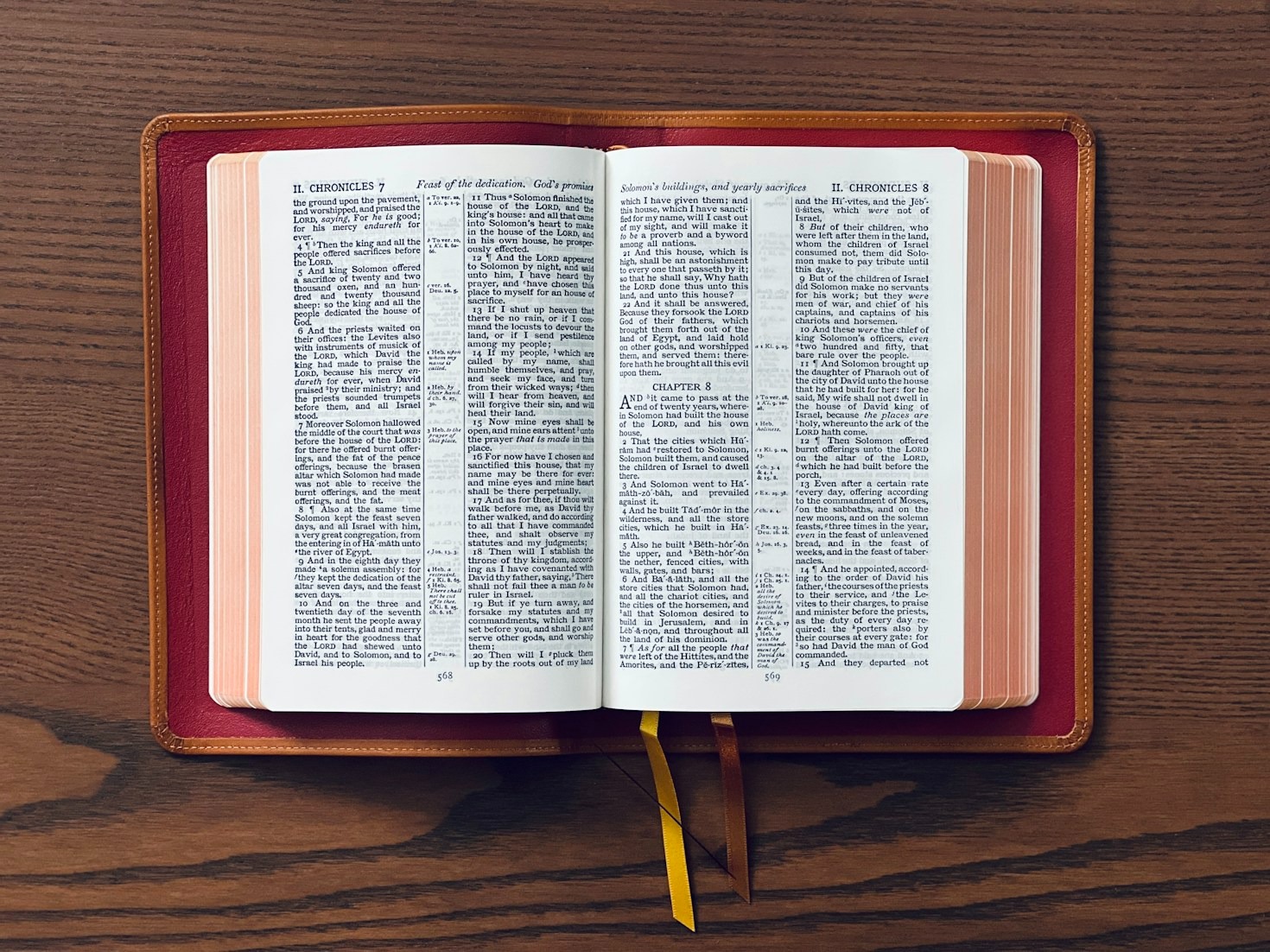
Following the Hampton Court Conference in 1604, King James I authorized a new translation to replace the popular yet Calvinist-leaning Geneva Bible and the inconsistent Bishops’ Bible. Key individuals included King James I and Puritan scholar John Rainolds, who proposed the new translation. First published in 1611, the King James Bible (KJV) was commissioned by King James I to resolve religious divisions within the Church of England, creating a unified, authorized English text. Produced by 54 scholars over seven years, it heavily utilized the Tyndale Bible, solidifying its place as a cornerstone of English literature and faith. The goal was to unify the church, strengthen the King’s authority, and create an accurate, non-political translation for public reading.
54 scholars were divided into six groups, working in Westminster, Oxford, and Cambridge to translate specific portions of the Old Testament, New Testament, and Apocrypha. Translators aimed for a “formal equivalence” or literal approach, relying on Hebrew and Greek texts while drawing heavily (over 90%) from the earlier work of William Tyndale. The project included a review process where a smaller committee of twelve editors reviewed the combined work.
Known for its majestic prose, the KJV shaped the English language, coining numerous idioms and phrases still used today. Despite initial lukewarm reception, it became the standard Bible for the English-speaking world for over 300 years. Although often referred to as the 1611 version, the text was revised throughout its history, with a major edition released in 1769.
When first published, the KJV faced competition from the established Geneva Bible, and many were skeptical of the need for a new translation. The original 1611 edition contained numerous printing errors and misprints. All of which have been corrected with subsequent printings.

Make your donation Here: ttps://www.paypal.com/ncp/payment/P43GL5JC68BTE
to help Web Christians to grow and flourish.
Leave a Reply